From Tasks to Impact: What Content has Taught Me!
Content is about understanding instructions, decoding expectations, adjusting tone, solving problems, and sometimes even thinking like the reader before they do.
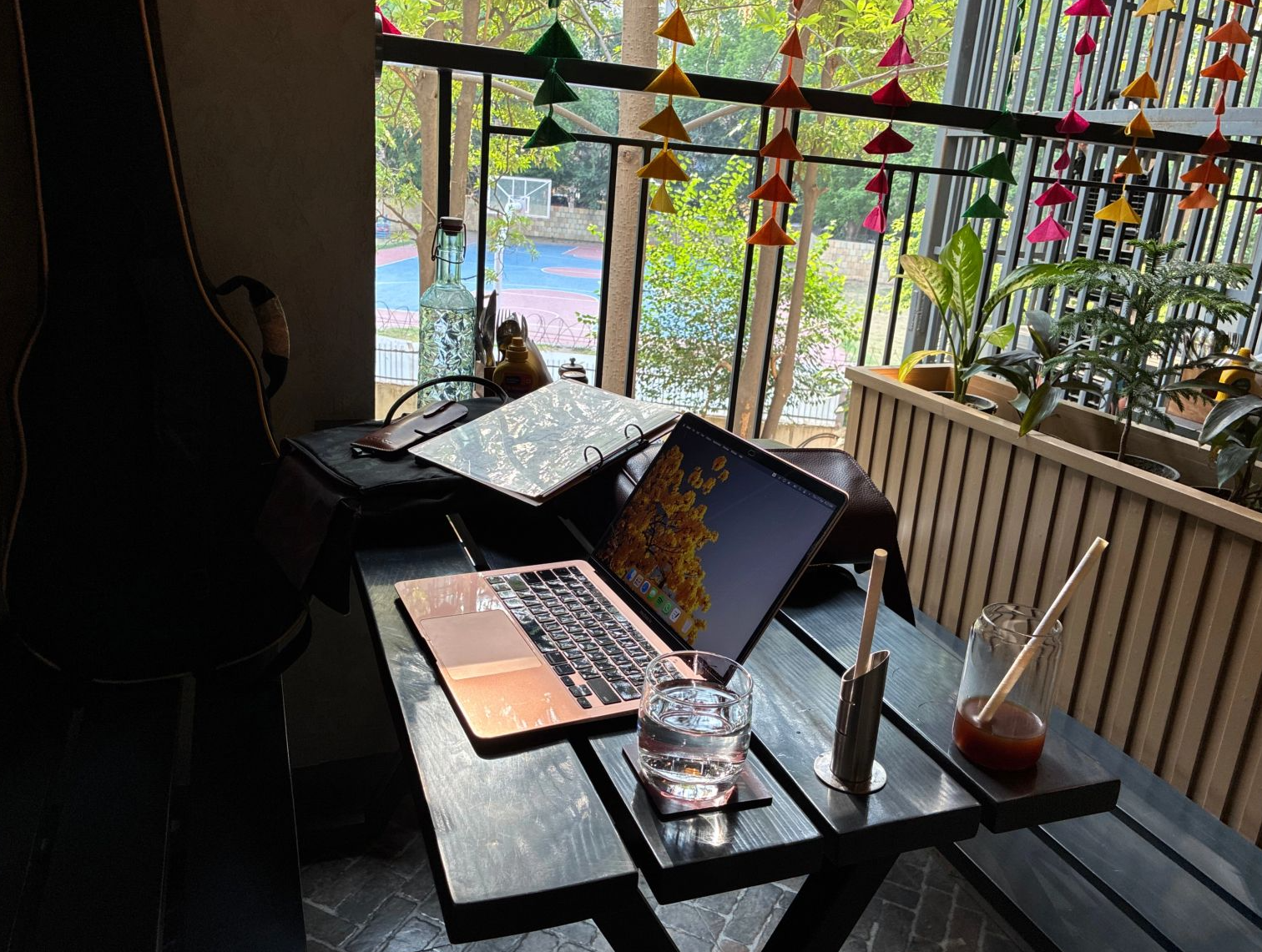
When I first started working on content, I thought it was simple. You get a topic, you research it, you write a blog, and that’s it.
But the moment I started working on real client projects, especially in an agency setup like mangoDigital, I realised that content writing is not just about writing. It’s about understanding instructions, decoding expectations, adjusting tone, solving problems, and sometimes even thinking like the reader before they do.
And honestly, that shift didn’t come from theory. It came from actually working on different types of tasks: guest posts, brand blogs, web pages, and large-scale content projects.
Guest Posting
Guest posting was one of the first things I worked on. At first glance, it feels like a very simple task. You’re given a topic, sometimes a keyword, and a few instructions. You write around 700–800 words, place the anchor text in the 2nd or 3rd paragraph, add an external link somewhere in the middle, and make sure everything aligns with the client’s niche.
That’s the basic understanding. But when you actually start doing it regularly, you realise that it’s not just about writing an article. It’s about fitting your content into a very specific structure without making it feel forced.
Because you’re not writing for your own platform. You’re writing for someone else’s website, their audience, their tone, their authority. So you have to adjust everything:
How you start the article?
How you introduce the topic?
How naturally you place the anchor?
How you bring in the external link without breaking the flow?
And then, once everything is written, the real work begins. You go through the content again. You fix the structure wherever it feels off. You remove even the smallest errors. You check if any sentence sounds unnatural. You read it once, not as a writer, but as someone who randomly landed on that page.
Because even if everything is technically correct, if it doesn’t feel right, it doesn’t work. That’s something I understood only after doing it again and again.
VLCC (The Project That Felt Personal)
Out of all the projects I’ve worked on, one that I genuinely enjoyed the most was VLCC. And honestly, I think anyone who knows about skincare and wellness in India knows how big that name is.
So when I got the chance to work on it, it didn’t feel like just another task. It felt different because now, the content wasn’t just informational. It was connected to real people, real concerns, and real decisions.
We weren’t working on just one type of content either.
We handled both their Indian and UAE website content, which itself required a different level of understanding. Because the audience, the expectations, and sometimes even the way problems are approached, everything varies.
And the topics? They were everywhere. From hair thinning and hair fall to body sculpting treatments to facial treatments to very common concerns like double chin or quick weight loss.
We covered general blogs like “how to lose weight in 15 days,” but we also worked on detailed solution pages like CoolSculpting, Lipolaser, Slimsonic, and more.
And that’s where the real challenge started.
When Content Becomes a Decision-Making Factor
Writing general blogs is one thing. But writing for treatment pages is completely different. Because here, the reader is not just looking for information.
They are already thinking.
They are comparing options.
They are looking for clarity.
They are trying to decide whether something is right for them or not.
So your content cannot just explain. It has to guide. And that’s not as easy as it sounds. Because at one end, you need to include all the necessary keywords. On the other end, you need to keep the tone natural. You cannot exaggerate. You cannot sound robotic. And you definitely cannot make it feel like a sales pitch.
You have to balance everything. You have to make sure that the content answers real questions, builds trust, feels honest, and still encourages action without forcing it. This is where I personally struggled a bit in the beginning.
But once I understood the intent behind it, things started making more sense.
Read next
→ How to write content in 2026 — what writing actually looks like now.
Not sure what is actually holding your website back? Run a free SEO audit — it maps your site against every stage of the funnel in about 90 seconds and shows you exactly which layer is missing.